


In a world where design and collaboration go hand in hand, Figma has completely transformed how designers, developers, and product teams work together. What used to require endless design files, email threads, and constant back-and-forth is now possible in real-time — all thanks to Figma.
Whether you’re designing a mobile app, website, or digital product, Figma empowers you to design, prototype, and collaborate — all in one place.
What Is Figma?
Figma is a cloud-based design tool used for UI/UX design, prototyping, and collaboration. Unlike traditional design software that runs locally, Figma operates entirely in your browser — meaning you can design from anywhere, on any device, with anyone.
It’s the go-to platform for:
UI/UX Designers building web and app interfaces
Product Teams collaborating on user flows and prototypes
Developers accessing design specs directly from the cloud
Agencies and Startups looking to streamline design workflows
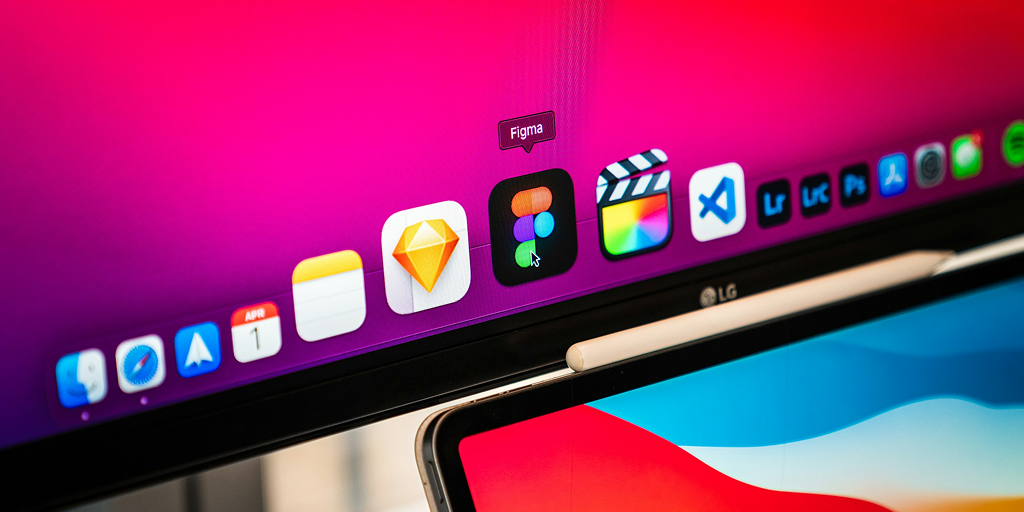
Why Figma Has Become So Popular
Here’s what makes Figma a game-changer in the design world:
- Real-Time Collaboration
Multiple team members can work on the same design file simultaneously — no more version conflicts or lost updates. Think of it like Google Docs, but for design.
- Cloud-Based Access
No installations, no heavy files. Figma runs entirely online, letting you design from anywhere. All you need is a web browser and an internet connection.
- Powerful Prototyping Tools
You can turn static designs into interactive prototypes in minutes — complete with animations, transitions, and clickable flows.
- Design Systems and Components
Figma lets you create reusable design components and maintain a shared design system across your team. This ensures consistency, speed, and scalability.
- Developer Handoff Made Simple
Developers can inspect design files, export assets, and view measurements directly — no extra plugins or tools required.
- Cross-Platform Compatibility
Whether you’re using Mac, Windows, Linux, or even a Chromebook — Figma works everywhere.
Figma stands out for its collaborative nature and ease of use, making it ideal for remote teams and agile design environments.
Key Features You’ll Love
Auto Layout: Create responsive designs that adapt automatically.
Variants: Manage multiple versions of components (like buttons or cards) easily.
Smart Animate: Add smooth transitions between frames.
Version History: Revert to previous designs at any time.
FigJam Integration: Collaborate on brainstorming, user flows, and wireframes.
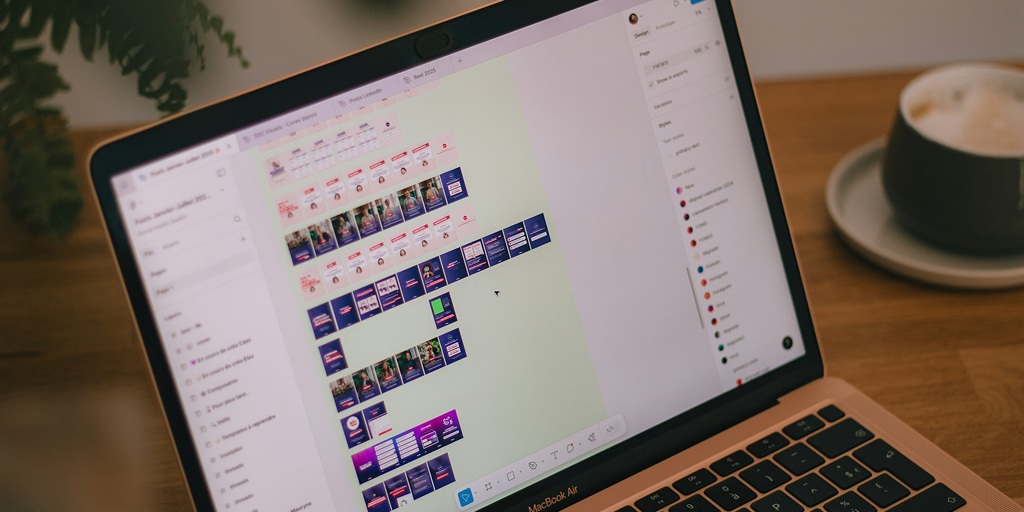
The Power of FigJam
Beyond design, FigJam — Figma’s whiteboard tool — helps teams brainstorm, map out user journeys, and plan features visually. It’s the perfect space for ideation, mind mapping, and team collaboration before jumping into detailed design.
The Future of Design with Figma
Figma isn’t just keeping up with trends — it’s setting them. With features like AI-assisted design suggestions, advanced prototyping, and community-driven plugins, it continues to redefine how creative teams build digital products.
In 2025 and beyond, Figma will remain at the heart of modern product design — uniting creativity, collaboration, and innovation in one powerful ecosystem.

Final Thoughts
Figma has become more than a design tool — it’s a collaborative design culture. It empowers teams to move faster, think creatively, and deliver seamless digital experiences that users love.
Whether you’re a solo designer, a startup founder, or part of a large product team, Figma helps you turn ideas into beautiful, functional realities — together.
Ready to start designing smarter?
Visit Figma.com
and experience the future of collaborative design today.