

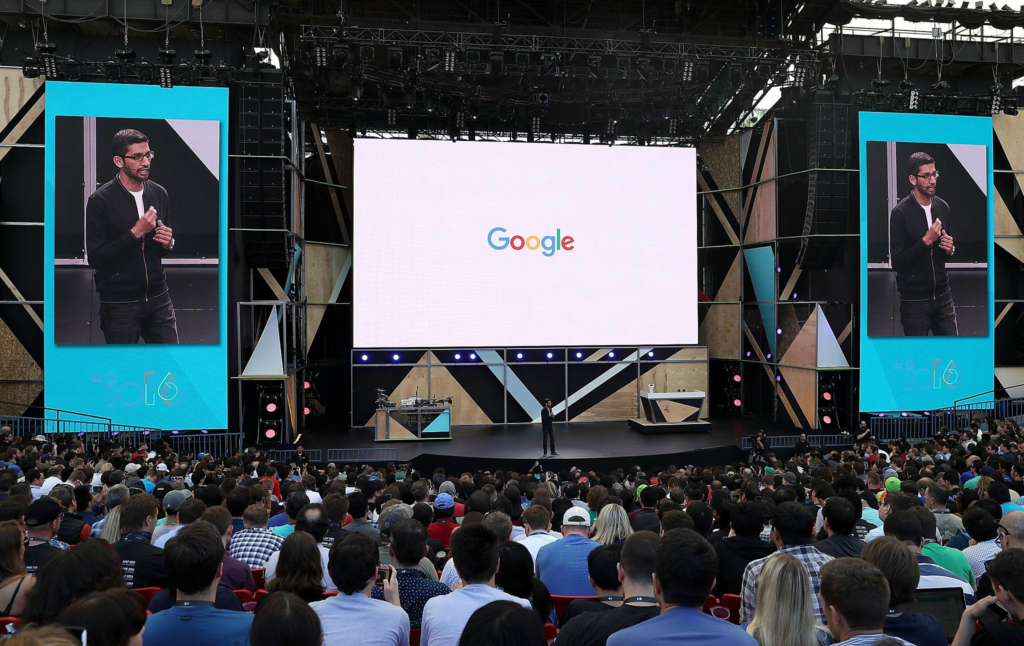
If you thought artificial intelligence was just about chatbots answering prompts, Google I/O 2026 just shattered that reality.
This year’s keynote made one thing clear: we are officially moving past the era of passive assistants and entering the era of autonomous AI agents. Google showcased an ecosystem where AI doesn’t just answer questions—it actively works in the background, builds software, runs tasks while your phone is off, and even understands the laws of physics.
Here is your ultimate breakdown of everything Google announced at I/O 2026 and what it means for the future of tech.
⚡ Gemini 3.5 Flash: Built for Speed and Action
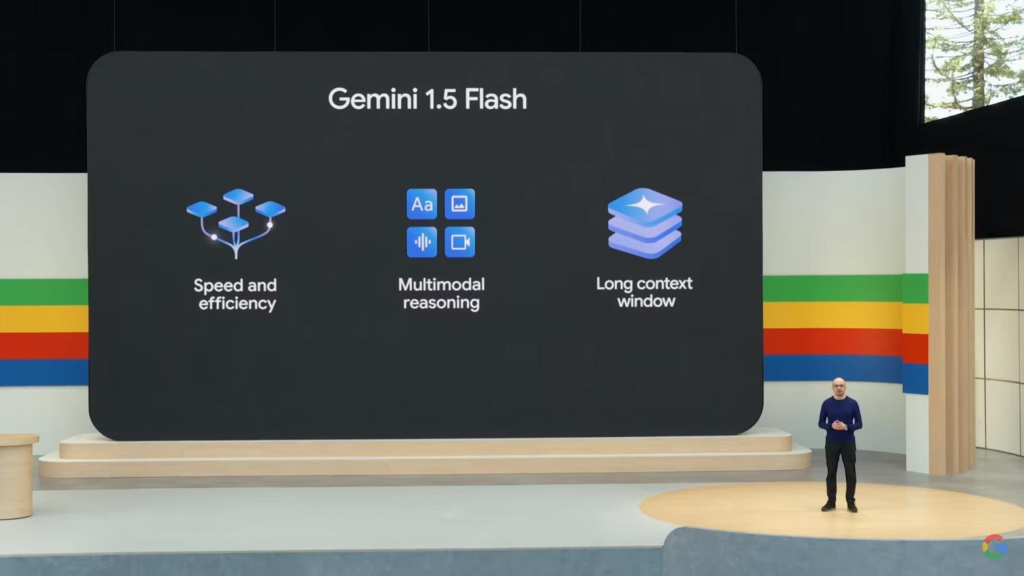
Google kicked off by making Gemini 3.5 Flash the new default engine powering the Gemini app and Search globally.
Instead of just aiming for higher benchmark scores, Google optimized this model for raw speed and complex, multi-step execution.
- Blazing Fast: It clocks in at 4x faster output tokens per second than competing frontier models.
- The Coding Powerhouse: It outperforms older, larger models like Gemini 3.1 Pro on developer benchmarks, dropping the cost of complex computing significantly.
- Fewer Refusals: Google built a new safety system that evaluates reasoning before generating responses, resulting in smarter guardrails and way fewer annoying, unnecessary prompt rejections.
🎬 Gemini Omni: The “World Model” That Understands Physics
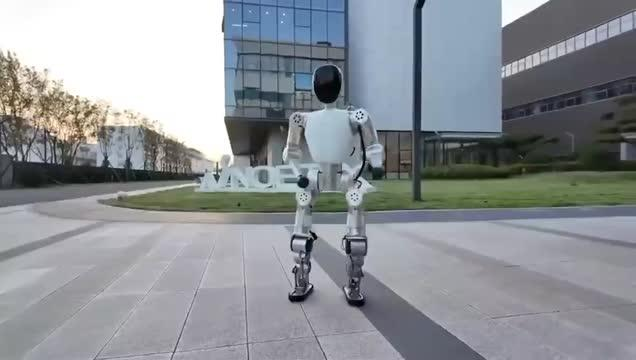
One of the absolute showstoppers of Day 1 was Gemini Omni, a new family of multimodal generative models. While previous video generators simply mashed pixels together, Gemini Omni acts as a “world model”—meaning it actually understands and simulates physical reality.
Conversational Video Editing: In the demos, users changed videos simply by talking to the AI. You can point to an object, ask Omni to change its material (like turning a metal sculpture into bubbles), and the video updates perfectly.
Because the model comprehends gravity, motion, lighting, and object interactions, characters and scenes remain perfectly consistent across edits without turning into “AI slop.” Omni Flash is rolling out immediately to Google’s premium subscribers.
🤖 Antigravity 2.0 & Spark: AI Agents Leave the Sandbox
The word of the day was Agentic, and nothing proved it more than Google’s two massive agent platform reveals.
1. Antigravity 2.0
Designed for developers, this orchestration platform turns AI into an autonomous software engineer. To prove its power, Google showcased a demo where 93 AI subagents worked together to build a functioning operating system (capable of running Doom, naturally) in just 12 hours. The entire project cost less than $1,000 in API credits, proving that the barrier to building complex software has officially collapsed.
2. Gemini Spark
This is the consumer agent we’ve been waiting for. Powered by Gemini 3.5 Flash, Spark runs 24/7 on Google Cloud virtual machines. This means you can assign it a massive task, close your laptop, turn off your phone, and Spark will keep working.
- It connects to Gmail, Google Docs, and third-party apps (like Canva and Instacart) to track expenses, draft workflows, or catch sneaky recurring subscription fee increases.
- Safety First: Any action involving spending money or hitting “send” on an email requires a quick user confirmation prompt.

🔍 Google Search Gets a 25-Year Makeover
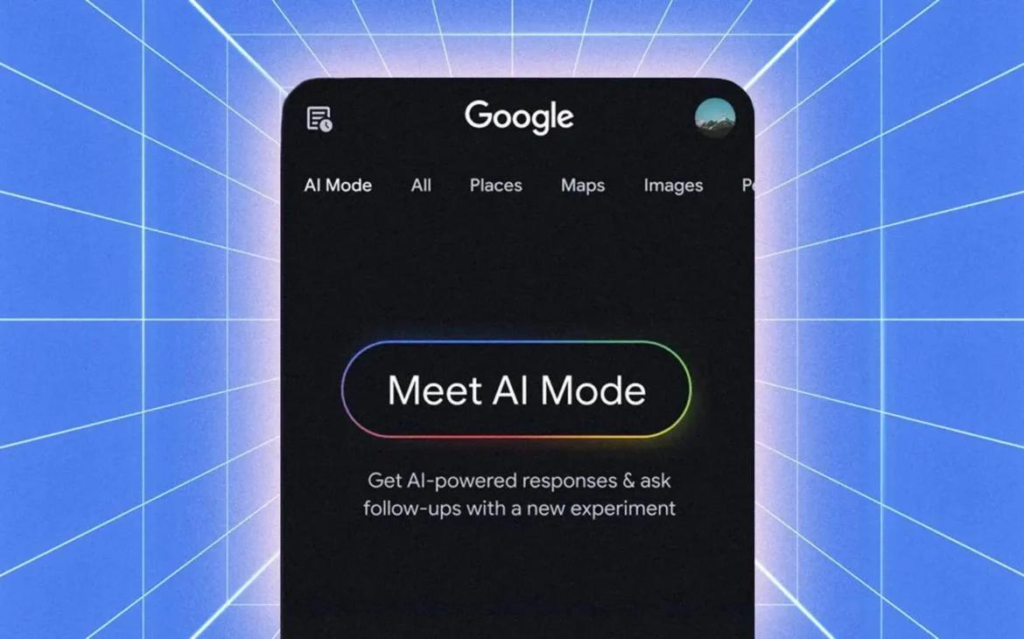
Google Search is undergoing its most radical transformation since inception. It is no longer a tool to find links; it is a personalized command center.
- Generative UI: When you search for complex topics, Search will render dynamic mini-apps, custom planners, and interactive widgets in real time rather than a wall of blue links.
- Search Agents: You can now deploy background agents inside Search to monitor ongoing tasks—like tracking apartment listings that fit your criteria, watching stock movements, or scanning internet inventory for price drops.
- Universal Cart: Tied to a new Universal Commerce Protocol, you can gather items from across the web, Gmail, and YouTube into a single cart. The AI will cross-compare deals, apply savings, and even warn you if you are buying incompatible products.
👓 Hardware & Everyday AI: Smart Glasses and “Neural Expressive”
Google didn’t stop at software. They also gave us a look at how we will interact with these agents in the real world.
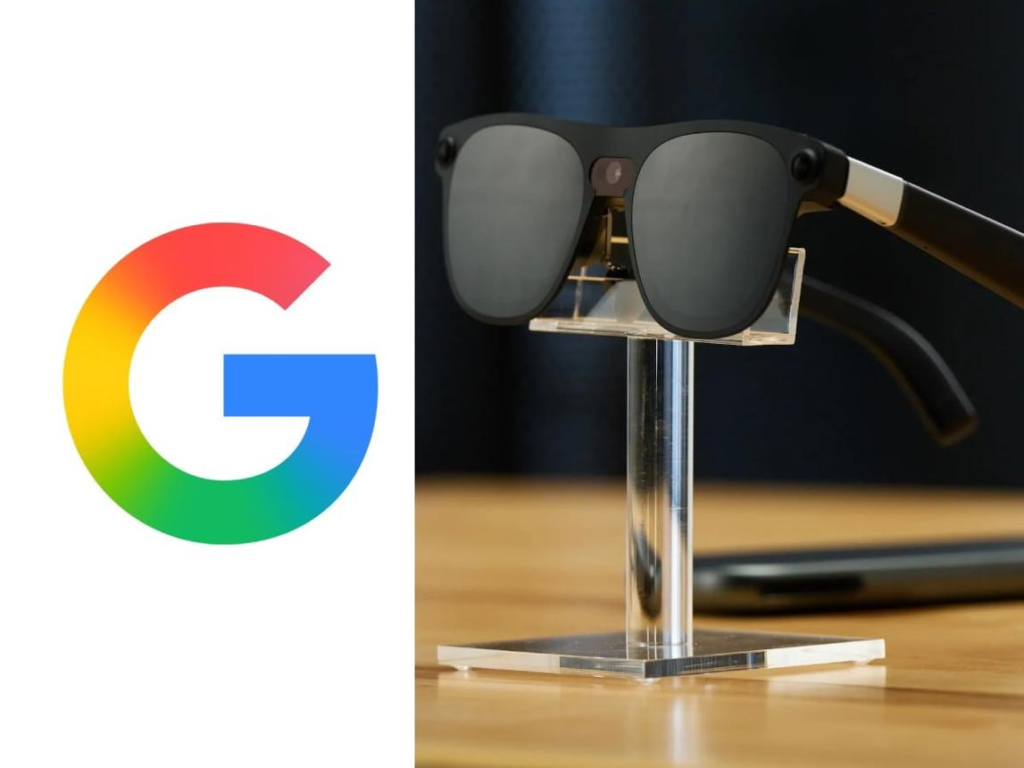
- No-Screen Audio Glasses: Developed in partnership with Samsung, Warby Parker, and Gentle Monster, these sleek glasses allow you to interact with Gemini hands-free. Demos showed the glasses using a built-in camera to see the environment, play context-aware music, and even navigate a user to a coffee shop and queue up a DoorDash order while the phone stayed in their pocket.
- A Beautiful Redesign: The Gemini app itself is getting a gorgeous new coat of paint called Neural Expressive, featuring fluid animations, haptic feedback, and a streamlined interface where Gemini Live is integrated directly into the main screen.
🔮 The Horizon: AGI and Beyond
To close out the keynote, Google DeepMind CEO Demis Hassabis didn’t hold back. He stated that true AGI (Artificial General Intelligence) is now “just a few years away.”
As a stepping stone, Google introduced Gemini for Science, highlighting an AI system named WeatherNext that can predict severe hurricanes days faster than traditional meteorological supercomputers.

📝 Final Thoughts
Google I/O 2026 proved that the tech giant isn’t just playing defense in the AI war anymore; they are defining the next era of computing. AI is no longer a tab you open to ask a question. It is quickly becoming an invisible, proactive layer running in the background of our entire lives.